Concussion Treatment in Melbourne: Recovery Steps That Work

A concussion is a mild traumatic brain injury caused by a sudden impact or jolt that temporarily disrupts normal brain function. It commonly occurs in sports, falls, road accidents, and other head injuries. While often described as “mild,” the effects can still significantly impact thinking, balance, mood, and daily functioning.

In Melbourne, awareness of concussion has improved, but many people still underestimate the importance of structured recovery. Symptoms such as headaches, dizziness, fatigue, brain fog, and concentration difficulties can persist if not managed properly. Recovery is not always straightforward and varies from person to person.

Effective Melbourne based concussion treatment is not limited to rest alone. It involves a step-by-step, medically guided process that includes assessment, gradual return to activity, and rehabilitation tailored to the individual. Proper management helps reduce the risk of prolonged symptoms and supports a safer return to work, study, and sport.

Services such as Concussion Central provide structured, evidence-based concussion care to support recovery at every stage.

Understanding Concussion and Its Impact

What Happens in a Concussion?

A concussion occurs when the brain moves rapidly inside the skull due to a direct or indirect force. This movement can temporarily affect brain function, even when imaging tests appear normal.

Common causes include:

  • Sports collisions
  • Falls
  • Motor vehicle accidents
  • Workplace or recreational impacts

Common Symptoms to Watch For

Concussion symptoms may appear immediately or develop over time. These can include:

  • Headache or head pressure
  • Dizziness or balance problems
  • Nausea or vomiting
  • Sensitivity to light and noise
  • Difficulty concentrating or remembering
  • Slowed thinking or confusion
  • Mood changes such as irritability or anxiety

Why Early Assessment Matters

Early assessment is important because it helps:

  • Confirm diagnosis and rule out serious injury
  • Establish a baseline for monitoring recovery
  • Prevent worsening of symptoms
  • Guide safe return to activity

Delaying care or returning too soon to demanding activities can prolong recovery and increase symptom severity.

Step 1 – Initial Assessment and Diagnosis

Clinical Evaluation Process

A concussion assessment typically includes:

  • Injury history review
  • Neurological screening
  • Cognitive testing
  • Balance and coordination assessment

Clinicians may also evaluate the neck and vestibular system, which are commonly affected.

When to Seek Immediate Medical Help

Urgent medical attention is required if any of the following occur:

  • Loss of consciousness
  • Worsening headache
  • Repeated vomiting
  • Seizures
  • Severe confusion or unusual behaviour
  • Weakness or numbness in limbs

Baseline Testing for Athletes

Baseline testing is often used in sport to measure normal brain function before injury. This helps clinicians compare post-injury results and guide return-to-play decisions more accurately.

It is commonly used in:

  • Contact sports
  • School athletic programs
  • Professional and amateur sporting clubs

Step 2 – Structured Concussion Treatment Plan

Early Rest Phase (First 24–48 Hours)

Initial management involves relative rest, including:

  • Limiting physical activity
  • Reducing screen exposure
  • Avoiding cognitive overload
  • Prioritising sleep and hydration

Prolonged complete rest is not recommended, as gradual reactivation supports recovery.

Gradual Return to Activity

After the initial phase, activity is slowly reintroduced:

  • Light walking or gentle movement
  • Gradual cognitive activity (reading, screen use)
  • Stepwise return to work or study
  • Careful symptom monitoring

Progress is adjusted based on tolerance.

Professional Treatment Options in Melbourne

Concussion recovery often involves multidisciplinary care such as:

  • Vestibular rehabilitation for dizziness and balance issues
  • Physiotherapy for neck and musculoskeletal symptoms
  • Graded exercise therapy
  • Cognitive pacing strategies

Structured treatment programs help improve recovery outcomes and reduce symptom duration.

Step 3 – Rehabilitation and Recovery Support

Vestibular and Balance Rehabilitation

Vestibular therapy is used to treat dizziness and balance issues caused by concussion. It focuses on retraining the brain and inner ear systems responsible for spatial orientation.

Common symptoms treated include:

  • Vertigo
  • Dizziness
  • Unsteadiness
  • Visual motion sensitivity

Cognitive and Emotional Recovery Support

Concussions can also affect mental processing and emotional wellbeing. Common challenges include:

  • Brain fog
  • Difficulty concentrating
  • Mental fatigue
  • Mood changes

Recovery often includes structured pacing and gradual return to cognitive tasks.

Physiotherapy in Concussion Recovery

Physiotherapy plays an important role when neck or musculoskeletal issues contribute to symptoms. Treatment may address:

  • Neck stiffness or strain
  • Headache-related muscle tension
  • Postural issues
  • Reduced mobility

Step 4 – Monitoring Progress and Preventing Reinjury

Tracking Symptoms Over Time

Recovery is monitored through:

  • Symptom tracking logs
  • Clinical reassessment
  • Activity tolerance reviews

Treatment is adjusted based on progress.

Safe Return-to-Sport Protocols

A structured return-to-sport process typically includes:

  1. Light activity
  2. Aerobic exercise
  3. Sport-specific drills
  4. Non-contact training
  5. Full training (medical clearance required)
  6. Return to competition

Long-Term Brain Health Considerations

Preventing reinjury is critical. Strategies include:

  • Proper recovery before returning to sport
  • Use of protective equipment
  • Education on early symptom recognition
  • Avoiding premature return after injury

Step 5 – When to Seek Ongoing Specialist Care

Persistent Symptoms After Weeks

If symptoms last longer than expected, further evaluation may be needed. This may indicate post-concussion syndrome, requiring more advanced rehabilitation.

Referral to Concussion Specialists

Specialist care is recommended when:

  • Symptoms do not improve
  • Vestibular or cognitive issues persist
  • Return to work or sport is delayed
  • Standard treatment is not effective

Clinics such as Concussion Central provide structured, multidisciplinary concussion management programs.

Concussion recovery requires a structured, step-by-step approach rather than simple rest alone. From early assessment and diagnosis through to rehabilitation and return-to-activity planning, each stage plays a crucial role in safe and effective recovery.

In Melbourne, access to specialised concussion treatment is improving, giving individuals better support throughout their recovery journey. With the right guidance, most people can return to their normal activities safely and confidently.

If you are experiencing concussion symptoms or recovering from a head injury, seeking professional support can make a significant difference in outcomes. Structured care and personalised treatment plans are available through Concussion Central.

Always consult a qualified healthcare professional for diagnosis, treatment, and clearance before returning to physical or cognitive activities after a concussion.…

Read More

5 Signs It’s Time to Remove a Tree from Your Property

Trees can be lovely additions to your property, providing shade and adding beauty to your yard. Unfortunately, they can also pose a safety risk when they become diseased or damaged.

If you’re noticing signs of damage to your trees, it may be time to call an arborist. Read on for five signs that it’s time to remove a tree from your property.
1. The Tree Is Dead

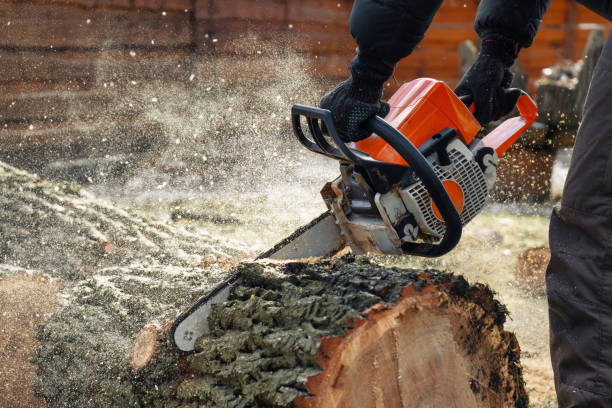
A dead tree poses a danger to anyone near it, including children and elderly people. It can also damage property or structures if it falls on them. Taking down the tree can help keep people and their belongings safe, as well as allow for other healthy trees to thrive.

Look for obvious signs that a tree is dead, such as peeling bark and branches that don’t sprout new growth. You should also check for fungus growth around the base of the tree, as this is often a sign that the roots and trunk have rotted. It’s also a good idea to pull back some of the soil to assess the root system and the surrounding area. If the roots have rotted and are decaying, it’s likely that the rest of the tree will soon follow suit.

2. The Tree Is Deadly

Trees are a beautiful part of any landscape. They add a dimensional element that you don’t get with shrubs and flowers, and they create shade and privacy for the home. But while trees can be an amazing addition to a property, they also pose a serious risk to people and structures on the ground. And if they fall, it can cost thousands to repair the damage to your house or other structures on the property.

Dead and dying trees are also breeding grounds for pests and can spread disease to healthy plants. Watch out for fungi growth, cankers, and discolored areas on the bark that can indicate a problem.

The longer a tree has been dead, the more dangerous it becomes to remove. The moisture level of wood drops after death, and it becomes harder, less flexible, and more brittle. This makes it difficult to cut or rig for removal and can cause dangerous falling shards during the process. A professional tree removalists will be able to identify these issues and recommend tree removal Bundoora before they become too dangerous.
3. The Tree Is Leaning

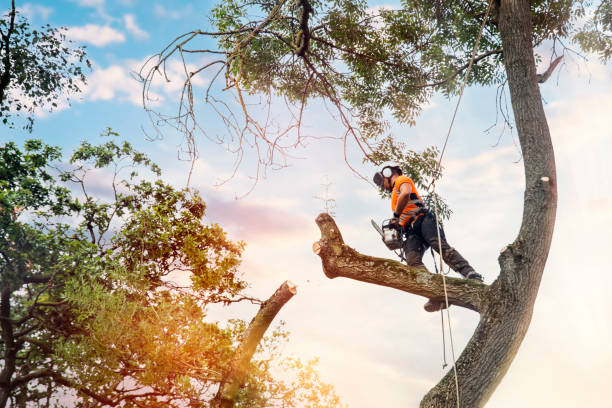
Trees might seem like a beautiful addition to your landscape, but they aren’t always safe. If a tree has developed a dramatic lean that it didn’t have before, or is in a position where it could fall onto your house, power lines, children’s playground equipment, your car, or anything else on your property, it’s time to call for removal. You may want to contact a professional tree care company to inspect it and assess the situation, so the expert can determine whether or not it is feasible to safely remove the leaning tree without causing any damage.

Similarly, if you see a lot of dead branches on a tree that was previously healthy, it could be a sign of major damage and disease. Even if the tree isn’t leaning, a damaged root system can be a serious problem and is a good reason to have it removed.

4. The Tree Is Damaged

Trees are important features of a landscape and add value to your property. They also provide shade, attract wildlife and make your yard a place you want to spend time in. But there comes a point when a beloved tree can do more harm than good and it’s necessary to remove it.

Storm damage is a common reason to remove a tree. If the damage is severe enough to compromise trunk strength and cause significant decay, then the tree may need to be removed. Look for signs of damage including large splits, seams, uprooting and old wounds.

If the damage is limited to a few major limbs it may be able to recover, but extensive bark loss will probably be too much for a tree to overcome. You should consult an arborist if you are concerned about a tree that has lost too much of its bark.

Depending on the location of the tree and the amount of work involved, it can be expensive to remove it from your property. Winter and spring are the best times to remove a tree because the leaves have fallen and the ground is frozen, making it easier for tree removalist to move equipment around without disturbing the surrounding landscaping.

5. The Tree Is Too Close to a Structure

While many people resist removing a tree until it is absolutely necessary, there may be times that an old lopsided maple or dying oak just needs to go. If a tree is growing too close to your house, it could fall during a storm and damage the structure or your neighbors’ property. Additionally, a tree that is too close to power lines could cause a lot of damage if it falls on the wires and causes a power outage or starts a fire.

While a tree might not seem to be too close right now, you need to take into account how large it will be when fully matured. Over time, a tree’s root system could grow into and encroach on the foundation of your home, ruining the structure. Additionally, branches could graze the roof and cause damage, or pull down gutters from the eaves.

When a tree is too close to a structure, it is definitely time for removal. This is also true if it has experienced excessive storm damage, a hollow trunk or other problems that necessitate removal.…

Read More